Location / Landmark Along Akerebiata–Sobi Road, Ilorin East LGA, Kwara State
Opening Hours Open 24/7 (Recommended climbing window: 6:30 AM – 10:00 AM or 4:30 PM – 6:30 PM)
Direct Contact Public natural landmark
Entry Fee Free admission
Ideal For Hiking, fitness training, landscape photography, religious retreats, nature walks
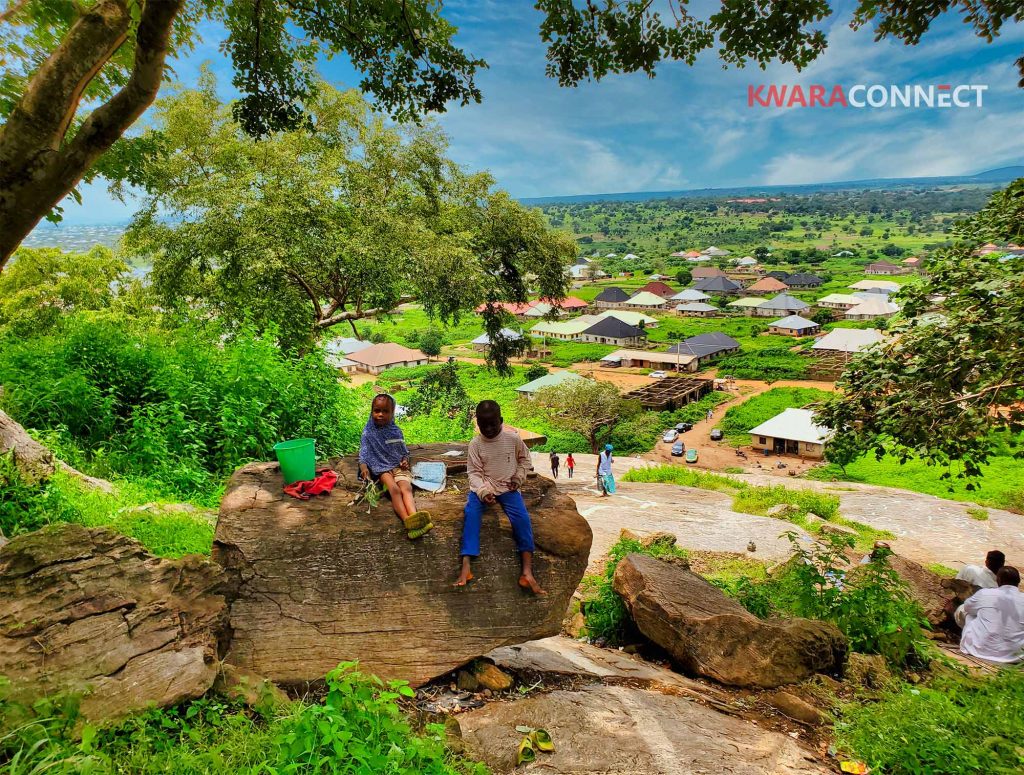
Rising approximately 390 meters above sea level, Sobi Hill (often called Ori Oke Sobi) stands as the most prominent natural landmark in the ancient city of Ilorin. For centuries, this monolithic granite outcrop served as an impenetrable shield during regional conflicts, offering tactical high ground across the surrounding plains.
Today, it serves a dual modern identity: a popular fitness and tourism hotspot for adventurers seeking panoramic views, and a revered spiritual sanctuary for pilgrims of various faiths.
Whether you are looking to test your endurance, capture aerial-grade photographs of the city layout, or trace historic landmarks from above, a morning trek up Sobi Hill delivers one of the most rewarding outdoor experiences in Kwara State.
The Climb: What to Expect on the Trail
The ascent to the summit generally takes between 35 to 50 minutes, depending on your pace and fitness level.
- The Lower Slopes: The trek begins over gradual, rocky inclines interspersed with scrub vegetation and weathered granite slabs.
- The Marked Ascent: Painted white directional lines run across key sections of the rock face. These markings indicate the safest gradient, steering hikers away from sheer drops, slippery runoff tracks, and overly steep crevices.
- Spiritual Sanctuaries: Mid-mountain plateaus feature stone-demarcated prayer rings and open-air altars used by both Christian and Islamic prayer groups. These sections are peaceful and marked off; simply follow the main path around them.
- The Summit Crest: Reaching the top opens up a brisk, 360-degree cross-breeze and a sweeping view of Ilorin. From the peak, you can easily pick out major urban landmarks, including the gleaming dome of the Emir's Palace at Oja Oba, the expansive campus of the University of Ilorin in the distance, and the sprawling residential corridors of Ilorin East and South.
Step-by-Step Directions: How to Get to Sobi Hill
Sobi Hill is located in Ilorin East Local Government Area, just before Sobi Barracks.
1. By Public Transit (Keke / Taxi / Commercial Motorcycle)
- Stage 1 (City Center to Junction): From Post Office, Challenge, or Fate Road, take a shared taxi or minibus heading toward Kulende Estate Junction or Akerebiata.
- Stage 2 (Junction to the Hill): At Kulende Junction, board a tricycle (Keke) or commercial motorcycle (Okada) headed along Sobi Barracks Road.
- Stage 3 (Drop-off): Inform the operator to drop you at the Sobi Hill Footpath
Note: There is no formal commercial gatehouse or welcome arch at the base; the entrance is an open trail leading directly off the roadside onto the lower rock face.
2. By Private Vehicle / Ride-Hailing
- Set your GPS destination to Sobi Hill, Ilorin.
- Proceed past Akerebiata and continue straight until the massive granite formation appears directly on your right.
- Park safely on the cleared shoulder areas off the main roadway
Practical Tips for First-Time Climbers
- Footwear Matters: Wear trainers or trail shoes with reliable rubber grip. The smooth granite faces can become slick, especially if there is early morning dew or light rainfall.
- Hydration & Sun Protection: There are no vendor stalls along the climbing trail. Carry at least one liter of drinking water and wear a cap or sunglasses.
- Climbing Hours: Start early. The midday sun heats the bare rock significantly. Arriving between 6:30 AM and 7:30 AM ensures cool breezes and optimal sunrise lighting.
- Pack In, Pack Out: Keep the rock clean. Bring back all water bottles, snack wrappers, and personal waste.
Frequently Asked Questions
Is there an entry fee to climb Sobi Hill?
No. Access to Sobi Hill is completely free to the public. You do not need tickets or prior clearance to hike the mountain.
Is it safe to hike Sobi Hill alone?
Yes. The trail is frequently used by fitness enthusiasts, students, and worshipers. However, hiking in pairs or small groups is recommended for convenience and safety, particularly if you are unfamiliar with the rock markings.
Can children or beginner hikers manage the trail?
Yes. While certain stretches require steady footing and cause mild leg strain, children and beginners can comfortably complete the climb by taking regular 2-minute breathers along the lower plateaus.